Kenyan Culture and Customs
Cultural Diversity
Kenyan Culture and Customs. Kenya is a rich mosaic of over 40 ethnic groups, each with its own unique language, traditions, music, and dress. The largest communities include the Kikuyu, Luhya, Luo, Kalenjin, Kamba, and the Maasai, among others. Despite these differences, national unity is a strong theme in Kenyan identity.
Motto: “Harambee” – a Swahili word meaning “pulling together” or “unity”.
Languages
-
Official Languages: Swahili (Kiswahili) and English
-
Urban Dialect: Sheng – a blend of Swahili, English, and local languages, especially among the youth
-
Most Kenyans are multilingual, often fluent in their ethnic language, Swahili, and English.
Religion & Beliefs
-
Christianity is the dominant religion (Protestant & Catholic)
-
Islam is prominent along the coast (notably in Mombasa, Lamu, and Malindi)
-
Indigenous beliefs, Hinduism, Sikhism, and other faiths are also practiced
-
Religion plays a central role in daily life, with respect for faith-based customs highly regarded
Dress Code: Kenyan culture and Customs
-
Urban Areas: Western-style clothing is common
-
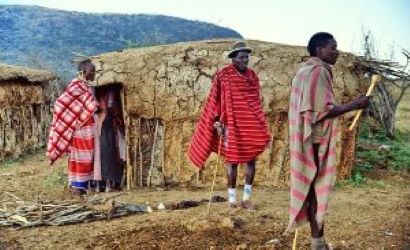
Traditional Wear: Worn during ceremonies, festivals, or cultural events (e.g., Maasai shuka, Kitenge, Kikoi)
-
Conservative Dress: Recommended in rural areas and religious settings (especially on the coast)
Food & Hospitality
-
Staples: Ugali (maize meal), sukuma wiki (greens), nyama choma (roast meat), chapati, rice, beans, and samosas
-
Coastal Cuisine: Influenced by Swahili, Arabic, and Indian flavors—includes coconut rice, seafood, and pilau
-
Hospitality: Guests are warmly welcomed; offering tea or food is a sign of respect
-
Eating is often communal, and sharing meals is a cultural norm
Etiquette & Social Norms
-
Greetings are very important: a handshake (firm but not aggressive) is customary
-
Elders are shown special respect, often addressed with formal titles
-
Use of right hand is preferred for eating, greeting, and giving or receiving items
-
Public displays of affection are uncommon and sometimes frowned upon, especially in rural areas
Music, Dance, and Art
-
Music and dance are integral to celebrations and rituals
-
Benga, Ohangla, and Taarab are popular genres
-
Maasai jumping dance, Kikuyu folk songs, and coastal Swahili rhythms reflect regional diversity
-
-
Kenya’s visual art is vibrant, with beadwork, wood carving, and textiles deeply rooted in tradition
-
Storytelling and oral history remain powerful tools for passing on wisdom and cultural values
Community Life & Traditions
-
Extended families and community networks are central to Kenyan society
-
In rural areas, dowry traditions, initiation rites, and age-set systems (particularly among Maasai, Samburu, and Pokot) remain vital
-
Circumcision ceremonies, harvest festivals, and weddings are major cultural events, often involving the whole community
Cultural Sensitivity: Do’s and Don’ts
✅ Do:
-
Greet people respectfully, especially elders
-
Ask permission before taking someone’s photo
-
Dress modestly in rural and religious areas
-
Show interest in local customs and try a few Swahili phrases
❌ Don’t:
-
Criticize local customs or religion
-
Point with your index finger (use the whole hand)
-
Assume all Kenyans are the same—diversity is key
-
Display wealth or affluence too openly
Kenya is one of Africa’s most multicultural countries, with a population as diverse as its terrain. There are more than 40 different ethnic tribes, each with their own language, culture and customs. The red-robed, beaded Maasai of the south are undoubtedly the most famous tribespeople of the region. The unique Swahili culture dominates the coastal regions and Islam is quite common in the North. Nairobi is home to a large swirl of humanity, with significant Indian, African and Western populations. As a result, you’re likely to see mosques, churches and temples, taste international cuisine from all over the world and hear the sounds of Kenyan hip-hop, traditional African drumming and Western pop.
Depending on where you are in Kenya, the culture and customs vary according to the area you are visiting. The northern and coastal regions tend to be more traditional, while Nairobi, as an international hub of trade and commerce, tends to be more liberal. The Maasai and other tribes typically lead pastoral lives based on agriculture and animal husbandry. Their daily life is based on centuries of tradition and if you get the chance to visit a tribal village, you’ll be able to see the customs of these fascinating people firsthand. Traditional clothing, dance, song and ceremonies keep this proud culture alive in the face of modernisation, which is sweeping through the country.
Comments